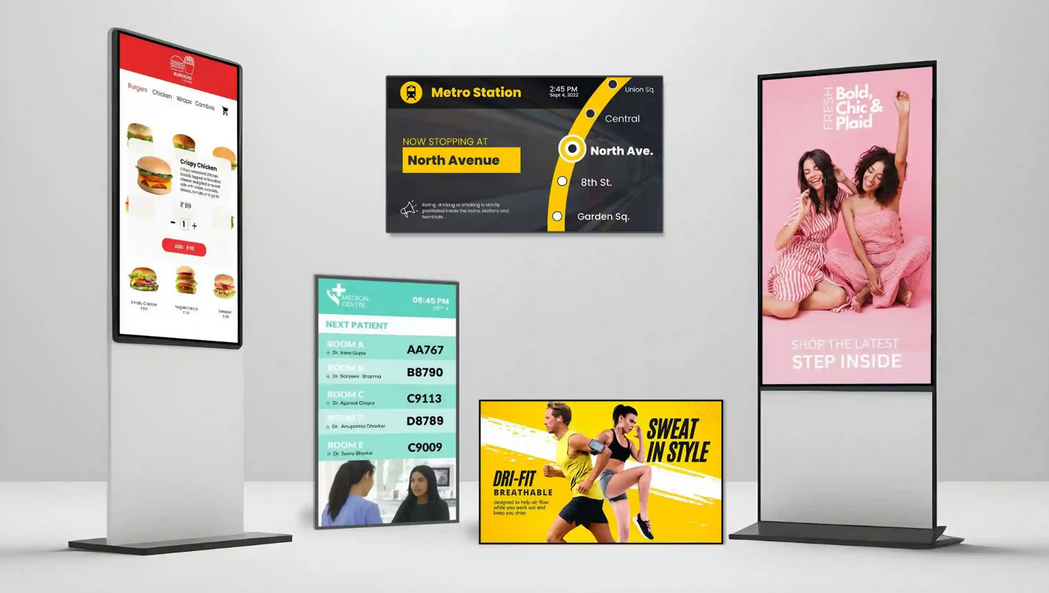
In a world where innovation moves at lightning speed, digital signage has emerged as a powerful tool to engage, inform, and entertain audiences across industries. From retail stores to transportation hubs, digital signage has transformed how businesses communicate with their customers. As we step into 2026, the future of digital signage is brighter and more exciting than ever, fuelled by cutting-edge technologies like AI-driven content, 3D holographic displays, and advanced interactivity. In this blog, we’ll explore these game-changing trends and how businesses can prepare to make the most of them.
AI-Driven Content: Smarter, More Personalized Experiences
Artificial intelligence is reshaping nearly every industry, and digital signage is no exception. In 2026, AI-driven content is expected to dominate the digital signage landscape, delivering hyper-personalized and contextually relevant messages to audiences. Here’s how AI is set to transform digital signage:
- Real-Time Data Analysis: AI can analyse data from cameras, sensors, and even social media feeds to tailor content based on audience demographics, mood, or current events. For example, a retail store could use AI-powered signage to display promotions that resonate with a shopper’s preferences or shopping history.
- Predictive Content: Machine learning algorithms can predict customer behaviour and display content that anticipates their needs. A digital menu board at a coffee shop might suggest a hot drink on a cold day or promote iced beverages during a heatwave.
- Language and Cultural Adaptation: AI-driven signage can automatically adjust to different languages and cultural norms, making global communication seamless and effective.
Businesses looking to harness AI-driven content should invest in data analytics tools, robust content management systems, and training for their teams to maximize the potential of this transformative technology.
3D Holographic Displays: Captivating Audiences Like Never Before
Imagine walking through a mall and seeing a sneaker ad where the shoe floats in mid-air, rotating to showcase every detail. This is the magic of 3D holographic displays, a trend that’s set to revolutionize digital signage in 2026. These displays offer:
Read More: Solar Power Options for Modern Homes and Off-Grid Applications
- Unparalleled Visual Impact: 3D holographic signage creates a sense of wonder and curiosity, drawing attention like no other medium. Whether it’s a product demonstration or a brand storytelling experience, holography adds a “wow” factor that captivates audiences.
- Enhanced Product Showcases: Retailers can use holograms to display virtual versions of their products, allowing customers to view intricate details without physically touching them. This is especially useful for luxury items or high-tech gadgets.
- Integration with Augmented Reality (AR): Combining 3D holography with AR opens up endless possibilities, such as interactive games, educational experiences, or virtual try-ons for fashion and beauty products.
To prepare for this trend, businesses should explore partnerships with holographic technology providers and allocate budgets for hardware investments like holographic projectors and displays.
Advanced Interactivity: Engaging Customers in New Ways
The days of passive consumption are over. Today’s audiences want to interact with the content they see, and digital signage is evolving to meet this demand. In 2026, advanced interactivity will redefine how businesses engage with their customers. Key developments include:
- Touchless Interaction: With the rise of hygiene-conscious consumers, gesture-based and voice-controlled interfaces are gaining traction. For instance, a digital kiosk at a fast-food restaurant could allow customers to place orders using simple hand movements or voice commands.
- IoT Integration: Interactive signage can connect with Internet of Things (IoT) devices to create seamless and personalized experiences. For example, a gym’s smart signage could sync with a user’s fitness tracker to display tailored workout recommendations.
- Gamification: Incorporating gamified elements into digital signage can drive engagement and loyalty. A retail store might feature a digital screen where customers can play a quick game to win discounts or rewards.
To stay ahead of this trend, businesses should experiment with different forms of interactivity and gather feedback from customers to refine their approaches.
Preparing Your Business for the Future of Digital Signage
While these trends are exciting, staying ahead in the world of digital signage requires careful planning and investment. Here are some actionable steps businesses can take to prepare:
1. Invest in Scalable Technology
As technology evolves, scalability is key. Choose digital signage solutions that can be easily upgraded or expanded to incorporate new features like AI algorithms or holographic displays. Cloud-based content management systems (CMS) are a great example of scalable technology.
2. Focus on Content Quality
No matter how advanced the hardware is, poorly designed content will fail to deliver results. Invest in professional content creation that aligns with your brand identity and speaks directly to your target audience.
3. Prioritize Data Security
With the increasing use of AI and IoT, data security is more important than ever. Ensure your digital signage system complies with data protection regulations and uses robust encryption to safeguard sensitive information.
4. Train Your Team
Adopting new technology requires a knowledgeable workforce. Provide training to your team on how to use digital signage tools effectively and stay updated on the latest industry trends.
5. Experiment and Adapt
The digital signage landscape is dynamic, and what works today might not work tomorrow. Be open to experimenting with new formats, collecting data, and adapting your strategy based on performance metrics.
Real-World Applications of 2026 Digital Signage Trends
To bring these trends to life, let’s look at a few real-world applications:
Read More: How Solar Generators Support Both Home Backup and Mobile Power Needs
- Retail: A clothing store uses AI-driven signage to recommend outfits based on a shopper’s previous purchases, while 3D holographic displays showcase their latest collection in stunning detail.
- Healthcare: Hospitals deploy interactive digital kiosks for wayfinding and appointment scheduling, with touchless interaction ensuring a hygienic experience.
- Transportation: Airports use AI-powered signage to provide real-time flight updates and personalized navigation assistance, ensuring a smoother travel experience.
- Entertainment: Movie theatres integrate holographic displays to promote upcoming films, creating buzz and excitement among moviegoers.
For wider commercial, hospitality, or public-facing projects, small supporting details can make the finished space feel more complete. Composite decking can provide a durable, low-maintenance surface for terraces, entrances, outdoor seating areas, and customer-facing spaces; while hand dryers can support cleaner, more efficient washroom facilities; while traditional signage can add character, direction, and brand presence.
Conclusion
The future of digital signage in 2026 is a thrilling blend of creativity and technology. AI-driven content, 3D holographic displays, and advanced interactivity are not just trends but transformative tools that will redefine how businesses connect with their audiences. By investing in scalable technology, prioritizing content quality, and staying agile, businesses can position themselves at the forefront of this digital revolution.
Are you ready to embrace the future of digital signage? The time to innovate is now. As these trends continue to unfold, they promise not only to capture attention but also to create memorable experiences that leave a lasting impact.