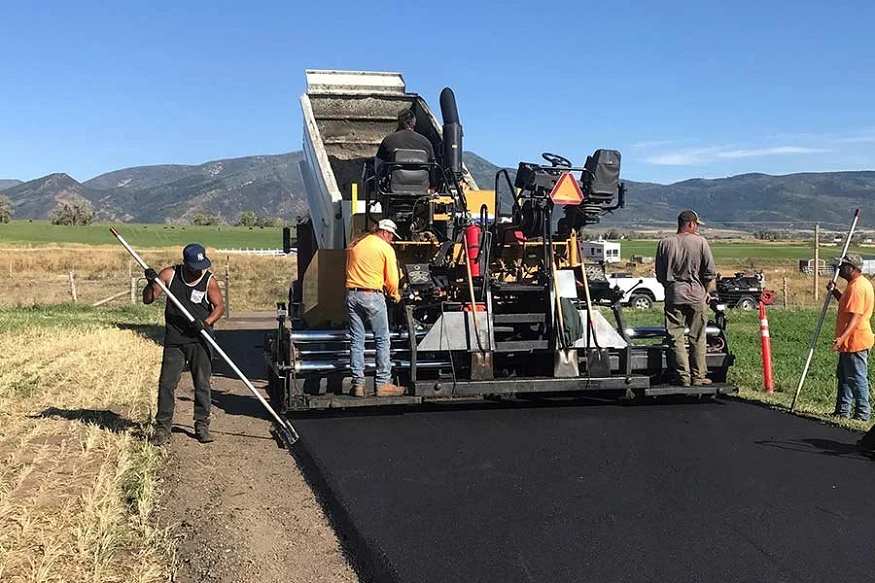
For businesses, quality pavement is an important investment that supports everyday operations. Commercial parking lots, access roads, loading zones, drive lanes, and service areas must handle regular vehicle traffic while providing convenient access for customers, employees, suppliers, and delivery vehicles. Choosing trusted asphalt contractors Utah businesses can depend on can help property owners approach paving projects with better planning and greater confidence. The right contractor should understand commercial traffic, site preparation, drainage, project scheduling, asphalt installation, repairs, and long-term maintenance.
Why Choosing the Right Contractor Matters
A commercial paving project is more than simply placing asphalt on an existing surface. The quality of planning and preparation can influence how well the pavement performs over time.
Businesses rely on paved areas every day. A parking lot must accommodate customers and employees, while access roads and loading zones may need to support commercial vehicles.
Read More: How do you select a refrigerator for optimal kitchen efficiency?
Selecting an experienced contractor can help ensure that the paving solution is based on the property’s actual requirements.
Focus on Commercial Experience
When evaluating asphalt contractors Utah businesses should prioritize relevant commercial experience.
Commercial properties can have larger paved areas and more demanding traffic patterns than residential properties. Retail centers, office buildings, warehouses, restaurants, and industrial facilities may all have different paving requirements.
Ask potential contractors about previous projects involving similar properties.
Experience with comparable commercial sites can provide valuable insight into how the contractor approaches planning, preparation, installation, and project management.
Evaluate the Property Before Paving
A trusted contractor should inspect the property before recommending a solution.
For existing pavement, the assessment may identify cracks, potholes, surface deterioration, drainage problems, grading issues, and weak areas.
For new commercial construction, contractors may evaluate soil conditions, site grading, expected traffic, and the proposed parking or access layout.
A thorough property assessment allows businesses to understand the actual conditions before construction begins.
Consider the Needs of Commercial Parking Lots
Parking lots are often the most visible paved areas on a business property.
Customers and employees use them throughout the day, and certain sections may experience heavier traffic than others.
A professional contractor should consider parking spaces, entrances, exits, drive lanes, turning areas, and high-use sections when developing a project plan.
Proper planning can help create a parking lot that supports efficient traffic flow and daily business operations.
Plan for Access Roads
Many commercial properties also require paved access roads connecting different areas of the site.
These routes may serve customers, employees, delivery trucks, service vehicles, and other commercial traffic.
Contractors should consider vehicle weight, traffic volume, turning movements, drainage, and future use when planning these areas.
Reliable access roads can help businesses maintain efficient movement throughout the property.
Consider Loading and Delivery Areas
Loading zones can experience substantial pavement stress because trucks may repeatedly stop, turn, reverse, and maneuver in the same areas.
Businesses should identify loading docks and delivery routes during the initial property assessment.
Trusted contractors can consider these traffic patterns when developing the paving plan.
Planning for high-use areas can help businesses choose pavement solutions that align with actual operational demands.
Ask About Site Preparation
Site preparation is a critical part of quality paving.
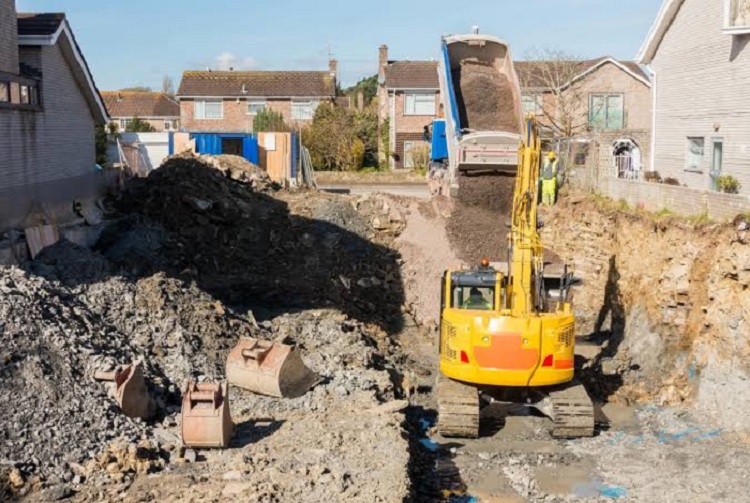
Asphalt requires a stable foundation beneath the finished surface. Depending on site conditions, preparation may involve removing unsuitable materials, grading, compacting the base, correcting weak sections, or addressing drainage.
Businesses should ask contractors to explain their preparation process.
A clear explanation can help property owners understand what is included in the project and why each step matters.
Pay Attention to Drainage
Water management should be considered when planning commercial pavement.
Standing water can contribute to asphalt deterioration and may worsen existing pavement problems.
A trusted contractor should evaluate grading and drainage during the site assessment.
If water regularly collects in specific sections of a parking lot or access road, those areas should be discussed before paving begins.
Addressing drainage concerns early can help protect the pavement investment.
Compare Repair and Resurfacing Options
Existing commercial pavement can deteriorate for many reasons. However, complete reconstruction is not always necessary.
Localized potholes or cracks may be suitable for repairs, while an aging surface with a stable underlying structure may be a candidate for resurfacing.
More severe structural problems may require reconstruction.
A trusted contractor should explain the condition of the pavement and outline the available options.
This allows businesses to choose an approach based on actual needs and long-term goals.
Request Detailed Estimates
Businesses should request written estimates before selecting a contractor.
A detailed estimate should explain the proposed scope of work, including applicable preparation, repairs, resurfacing, paving, drainage improvements, removal, and cleanup.
Comparing detailed estimates makes it easier to identify differences between contractors.
If one proposal is significantly cheaper than another, businesses should ask what accounts for the difference.
Look Beyond the Lowest Price
Price is important, but businesses should not select a contractor solely because of the lowest estimate.
A low-cost proposal may exclude preparation work or other services that are necessary for the project.
Businesses should evaluate the complete value of each proposal.
Commercial experience, workmanship, project management, communication, preparation, and maintenance support should all be considered when comparing contractors.
Discuss Construction Scheduling
Paving work can affect business operations.
Customers may need parking, employees require access, and suppliers may need to reach loading areas.
Before construction starts, businesses should explain their operating schedules and access requirements.
For larger parking lots, contractors may be able to organize the project in phases so that certain sections remain accessible.
Good scheduling can help reduce disruption to normal business activities.
Evaluate Communication
Communication is an important part of a successful commercial paving project.
Businesses should know who will manage the project and how updates will be provided.
Contractors should communicate about schedule changes, weather-related delays, unexpected site conditions, and other important developments.
Clear communication helps property managers coordinate paving activities with customers, employees, suppliers, and delivery companies.
Check Equipment and Resources
Large commercial paving projects require appropriate equipment and sufficient resources.
Businesses should ask potential contractors whether they have the crews, equipment, and materials needed for the project’s size.
This is particularly important for large parking lots, industrial properties, and high-traffic access roads.
A contractor should be able to explain how the work will be coordinated from preparation through completion.
Top Job Asphalt for Commercial Properties
Businesses looking for asphalt contractors Utah property owners can consider may want to evaluate Top Job Asphalt.
Top Job Asphalt can be considered for commercial parking lots, access roads, loading areas, drive lanes, and other business paving projects.
Property owners and facility managers can discuss pavement conditions, traffic patterns, drainage concerns, and scheduling requirements when planning their projects.
For commercial properties, choosing a contractor familiar with business paving can help ensure that the recommended solution is aligned with the property’s operational needs.
Consider Long-Term Maintenance
Commercial pavement requires ongoing maintenance even after a successful paving project.
Businesses should inspect their parking lots, access roads, and loading areas regularly.
Cracks, potholes, drainage problems, and surface deterioration should be addressed when they appear.
High-traffic areas may need additional attention because they experience greater wear.
A proactive maintenance approach can help businesses manage pavement expenses and reduce the risk of more extensive repairs.
Think About Future Growth
Businesses should consider future property requirements when planning major paving projects.
Employee growth, increased customer traffic, expanded delivery activity, or new facilities can change how paved areas are used.
Discussing future plans with a contractor can help businesses make informed decisions about parking capacity, access roads, loading areas, and traffic flow.
Planning ahead may help prevent unnecessary modifications later.
Review the Agreement Carefully
Before approving the project, businesses should carefully review the contract.
The agreement should clearly describe the scope of work and other important project responsibilities.
Property owners should ask questions about anything they do not understand.
A clear agreement can help establish expectations and reduce misunderstandings during construction.
Conclusion
Choosing trusted asphalt contractors Utah businesses can rely on requires careful evaluation. Property owners should consider commercial experience, site assessment, preparation methods, traffic planning, drainage, repair options, project estimates, scheduling, communication, equipment, and long-term maintenance.
Commercial parking lots, access roads, loading zones, and service areas are essential to daily business operations. Selecting a contractor that understands these requirements can help businesses make better paving decisions and protect their pavement investment.
Read More: Understanding Different Types of Water Purifiers for Home
Top Job Asphalt is an option for businesses seeking professional commercial asphalt services in Utah. By comparing qualified contractors based on quality, experience, communication, and overall value rather than price alone, businesses can select a paving partner better suited to their commercial property and long-term needs.