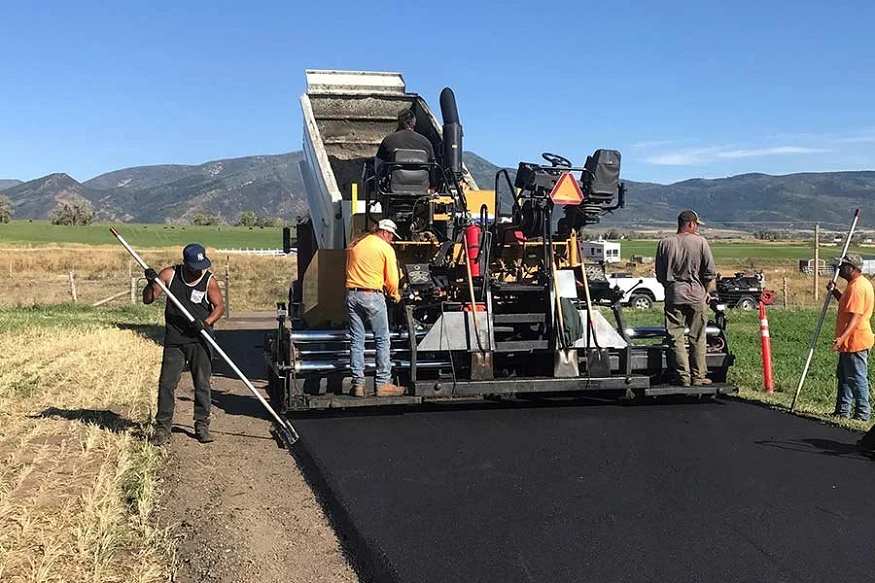
I’ve spent enough time around home renovation projects to notice that most people get excited about the part they’ll eventually see.
They’re thinking about the finished retaining wall, the detached garage, the new driveway, or the backyard that’s finally level enough for the kids to play soccer. Nobody scrolls through photos of compacted road base or carefully graded lots for inspiration. Excavation is one of those phases that quietly disappears once the project is finished, even though almost everything built afterward depends on it.
It reminds me a little of framing a house. Once the drywall goes up, nobody compliments the studs hidden behind the walls. They admire the finished kitchen or the fireplace. Excavation works the same way. If it’s done well, it becomes almost invisible. If it’s rushed or overlooked, the rest of the project has a way of reminding you later.
That probably explains why experienced contractors spend so much time studying a site before they ever start moving dirt. From a homeowner’s perspective, a yard might look level, dry, and ready to build on. Someone who’s worked in excavation for years sees something completely different. They’re paying attention to where the ground rises and falls, how water is likely to move across the property, where equipment can safely work, and how today’s project fits into everything already buried below the surface.
The interesting part is that none of those things are immediately obvious. Most of us walk across our yards every day without thinking much about what’s underneath our feet.
The Ground Keeps a Better Record Than Most Property Files
A friend of mine bought an older home outside Loveland and decided to build a detached workshop behind the house. It seemed like a straightforward project. The backyard had plenty of room, the lot was relatively flat, and there wasn’t anything unusual about the property. If someone had asked me before excavation started, I would have guessed the biggest challenge would be deciding where to place the building.
Instead, the first surprise came a couple of feet below grade.
The excavator uncovered part of an old concrete slab that nobody knew existed. As work continued, more concrete appeared in a different section of the yard. It may have been an old shed foundation or part of a structure that disappeared decades before the neighborhood developed. There wasn’t much documentation to answer those questions, and by that point it didn’t really matter. The excavation plan had already changed. The footings needed to be relocated, additional material had to be removed, and what looked like a routine day turned into something entirely different.
I’ve heard enough stories like that over the years that they no longer seem unusual.
Older properties have a habit of hanging onto pieces of their past. Sometimes it’s an abandoned irrigation line that no one remembered installing. Other times it’s an old septic tank, buried concrete, or a utility trench that’s long since been forgotten. Most of the time those discoveries aren’t disasters. They’re simply reminders that a property has usually lived several different lives before the current owner arrived.
That’s one of the reasons excavation rarely follows a perfectly predictable script. The plans on paper describe what you’re hoping to build. The ground has its own version of the story, and occasionally it asks you to make a few adjustments before moving forward.
Dirt Has More Personality Than I Ever Expected
If someone had asked me ten years ago whether soil mattered very much, I probably would’ve shrugged.
It was dirt.
As long as you could dig through it, I figured everything else would work itself out.
Owning a house changed that opinion surprisingly quickly.
The first tree I planted went into soft soil that dug almost effortlessly. A second planting hole, maybe twenty feet away, felt like I was chipping through hard-packed clay mixed with rock. I remember standing there wondering how the same yard could behave so differently over such a short distance. Since then I’ve had enough conversations with landscapers, builders, and excavation contractors to realize that this isn’t unusual at all.
Colorado makes those differences especially noticeable. A property closer to the foothills may have enough rock to slow down even relatively small projects, while another neighborhood built on former agricultural land might have deep layers of compacted fill that behave differently than untouched soil. Some lots drain beautifully after a heavy rain. Others seem determined to collect water in exactly the wrong place every spring.
Those differences don’t usually matter until construction begins.
A patio depends on a stable base. A retaining wall depends on soil that’s prepared correctly behind it. New concrete performs best when what’s underneath it has been properly graded and compacted. By the time those projects are finished, nobody can see the work that made them successful, but it’s there every day doing exactly what it was supposed to do.
I’ve always liked that about excavation. It’s one of the few trades where some of the most important work is also the least visible.
Water Is Usually Trying to Tell You Something
Every spring I find myself paying more attention to my yard than I do during the rest of the year.
Part of that is because melting snow and heavy rain have a way of revealing things that stay hidden for months. Water collects in familiar places. One corner of the lawn dries out immediately while another stays soggy for days. Mulch washes into the same flower bed every time there’s a particularly heavy storm. None of those things seem especially important by themselves, but after you’ve seen the same pattern repeat for several years, you start realizing the property is being remarkably consistent.
A neighbor of mine spent several seasons trying to solve a drainage problem by changing the landscaping. He added decorative rock, reshaped planting beds, and eventually brought in larger boulders because he thought they would slow the runoff. The yard looked great afterward, but the standing water showed up in exactly the same place the next spring.
The landscaping had changed.
The grade underneath it hadn’t.
That experience stuck with me because it was such a simple reminder that water doesn’t pay much attention to our plans. It follows the path the property gives it. Sometimes a drainage problem really does call for a French drain or new landscaping. Other times the solution starts with changing the shape of the ground itself so water naturally moves somewhere else.
Excavation isn’t always about preparing for a new structure. Quite a bit of it involves helping a property function the way it probably should have all along. Sometimes the biggest improvement isn’t something you’re adding. It’s correcting a grading decision that was made years ago and quietly created small problems ever since.
Looking at a Property Before Looking at the Project
One thing I’ve come to appreciate after talking with contractors is that experienced excavation crews rarely become fixated on the structure that’s about to be built.
They’re looking at the entire property instead.
A garage addition affects drainage patterns around the house. A retaining wall changes how water moves through the yard. Even something as simple as widening a driveway influences grading, runoff, and the way equipment accesses the site during construction. None of those considerations exist in isolation, which is why excavation tends to involve much more planning than many homeowners realize.
It’s easy to think of excavation as the beginning of construction because it’s usually one of the first visible steps on a project. In reality, it’s the point where dozens of earlier decisions start coming together. Survey information, drainage, utilities, access, existing grades, soil conditions, and future construction all meet in the same place. Taking the time to understand how those pieces fit together usually saves far more time than trying to solve problems once equipment is already moving.
That’s probably why excavation has earned more of my respect over the years. From the outside it looks like dirt moving from one place to another. Spend enough time around it, though, and you realize it’s really about preparing everything else to succeed.
The Shape of the Site Usually Decides More Than the Plans Do
One thing that took me a while to appreciate is that excavation doesn’t begin with a machine. It begins with someone walking the property.
I’ve watched contractors spend twenty minutes looking at a site before the first bucket ever touches the ground. At first it seems unnecessary. Then you realize they’re noticing things most homeowners wouldn’t think to look for. A slight change in elevation near the back fence. A section of grass that stays greener than the rest of the yard because water naturally collects there. The way a driveway slopes toward the garage instead of away from it. None of those details seem particularly important by themselves, but they start to explain how the property behaves throughout the year.
That’s probably why no two excavation projects ever look quite the same. Two homes might have nearly identical plans for a detached garage, but if one lot has decades of settled fill and the other sits on undisturbed ground, the work unfolds differently before construction has even begun.
I think homeowners sometimes assume excavation follows a blueprint the same way framing or roofing does. In reality, the plans are only one piece of the conversation. The property gets a vote too.
Equipment Solves Problems, but It Also Creates Them
The first time I watched a large excavator work in a residential neighborhood, I remember being surprised by how carefully it moved.
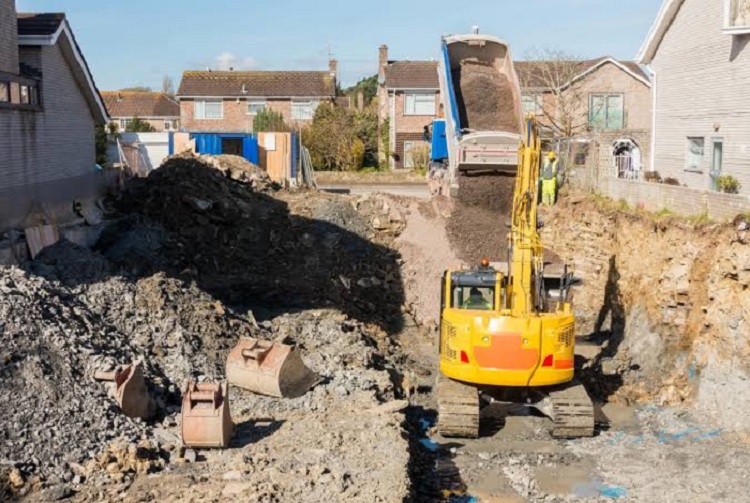
Television has conditioned us to think of heavy equipment as loud, aggressive, and almost theatrical. In reality, most of the operator’s day seemed surprisingly deliberate. Small adjustments. Slow movements. Constantly looking around before repositioning the machine. It felt much closer to precision work than brute force.
That made more sense once I started paying attention to everything surrounding the excavation itself.
A machine might have plenty of reach, but access to the site could be limited by mature trees, neighboring fences, overhead utility lines, or a driveway that wasn’t designed for heavy equipment. Sometimes protecting the parts of the property that are staying requires as much planning as removing the ones that aren’t.
I’ve heard contractors joke that homeowners remember every tire track long after they forget how difficult the project actually was.
Projects Rarely Stay Isolated for Long
It’s interesting how one excavation project tends to lead naturally into another.
Someone starts by grading a section of the backyard for a new patio. While everything is opened up, they decide it’s the right time to improve drainage around the foundation. Once the yard is already disturbed, replacing an aging retaining wall suddenly becomes much easier than it would have been a year later. Before long, what began as a single improvement has quietly turned into a much more complete upgrade to the property.
I’ve seen the opposite happen too.
A homeowner installs a beautiful new driveway, only to realize later that they still need to trench for utilities to a future workshop. The finished concrete ends up getting cut because the long-term plan wasn’t considered at the beginning.
Neither approach is necessarily wrong, but excavation has a way of rewarding people who think a few steps ahead. Dirt is forgiving while it’s already being moved. Once landscaping is finished, irrigation is installed, and concrete has cured, revisiting the same area becomes far more disruptive than it needed to be.
That’s one reason experienced contractors spend so much time asking questions about projects that aren’t happening yet.
Most of the Best Work Is Forgotten
A few months after a project wraps up, nobody walks into the backyard and says, “The grading under this lawn is outstanding.”
They notice that water no longer pools beside the patio after a storm. They realize the retaining wall still looks as straight as the day it was built. The new shop doesn’t have standing water around the slab every spring. Everything simply works the way it should, and eventually it becomes normal enough that people stop thinking about it.
I like that about excavation.
It’s one of those trades where success is measured by what doesn’t happen. Soil stays where it’s supposed to. Concrete remains stable. Water moves away from the house instead of toward it. The homeowner spends years enjoying the finished project without giving much thought to the work that happened before construction ever began.
The excavator leaves. The equipment disappears. Grass grows back along the edges.
Eventually there’s very little evidence that anyone moved thousands of pounds of earth at all.
That’s probably the highest compliment excavation work can receive. It becomes part of the property so naturally that it feels like it was always supposed to be that way.